
What Are The Heat Treatment Processes for Steel
25 November 2022
Heat treatment is a form of altering the microstructure of a metal by heating the metal, sustaining the desired temperature and then cooling it back. These processes result in an alteration to the metal’s mechanical properties.
There are various different types of heat treatment that are commonly used to enhance or alter the properties of steel. Whilst the most commonly known heat treatments are hardening and tempering, there are other treatments used to soften metal and increase its ductility whilst reducing internal stresses that can commonly lead to metal failure.
As a whole, metal treatment includes annealing, normalising, hardening and tempering.
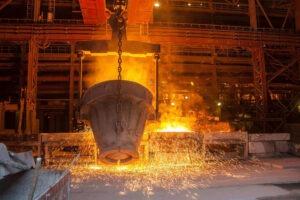
Annealing
Annealing is a method of heat treatment that relieves stress and softens the metal, which improves the quality of grain structures and increases ductility.
The annealing process involves heating metal to between 300-410° Celsius (depending on the form of metal or alloy being annealed), holding it at this temperature and then allowing it to cool slowly in still air.
This process can be useful after steel is welded since the heat used in many welds can create internal stress in the metal, such as hard and brittle spots.
Normalising
Normalising is a heat treatment process in which steel is heated to an elevated temperate of 800-930° Celsius. This is a very similar process to annealing. However, a much higher temperature is used - resulting in a more drastic change in the microstructure of the metal.
Much like annealing, the purpose of normalising is to improve the steel's ductility, relieving internal stresses and alleviating uneven hardness, which in many cases can prevent future metal failure and ensure the success of your construction project.
Hardening
The purpose of hardening is to make steel stronger and more durable. However, there are also consequences to hardening that will affect the resistance of the metal. This is because the harder a metal is, the less ductile (meaning more brittle) and prone to cracking it becomes.
Initially, hardening involves two stages of heat treatment, slowly bringing the steel to a high temperature, followed by soaking at a specified temperature. Following these stages, the metal undergoes rapid cooling through a quenching process. The steel is plunged into water, oil or brine. Generally, carbon steel is quenched in water or brine, whereas alloy steels can be quenched in oil.
As previously mentioned, the purpose of the hardening process is to increase the strength of the steel. This may often be necessary depending on the intended purpose of the steel. However, tempering may be a good choice in many cases since the risk of cracking during the later stages of the quenching process (100° Celsius to room temperature) can be high, along with the risk of the creation of internal stresses that may later lead to metal failure.
Tempering
Tempering is undertaken after hardening to relieve internal stresses on the steel, involving heating back up to a high temperature (lower than its hardening temperature, however) and holding the steel at that temperature for a specified period before allowing it to cool in still air.
The purpose of tempering is to reduce hardness and internal stresses by increasing a steel’s ductility. Using hardening and tempering in tandem is seen as an excellent way to create strong, ductile steel that can withstand intense use without risk of failure.
Heat Treated Steel From Buy A Beam
Buy A Beam’s online shopping tool makes ordering steel online from local fabricators and suppliers straightforward. Simply enter your location and get results from nearby steel experts - with the ability to order specialised hardened or treated steels, allowing you to buy steel online easily!