
Structural Steel Guide 2025
19 September 2025
Understanding Structural Steel Fundamentals
For those embarking on their first structural steel project, establishing a solid foundation of knowledge is crucial. Understanding the basics will help you make informed decisions and communicate effectively with engineers and suppliers throughout your project.
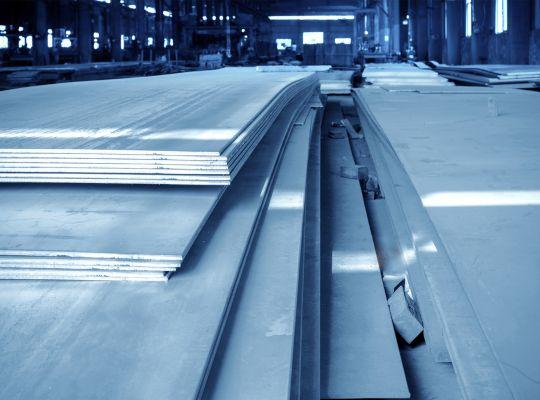
What is Structural Steel?
Structural steel is a category of steel construction material formed with a specific shape or cross-section and certain standards of chemical composition and mechanical properties. Unlike mild steel used in general fabrication, structural steel is engineered to support significant loads and resist various forces, including tension, compression, and bending moments.
The primary composition includes iron and carbon, with additional elements such as manganese, silicon, and copper to enhance specific properties. Structural steel applications differ fundamentally from non-structural uses - whilst decorative steelwork focuses on aesthetics, structural steel must meet stringent performance requirements for safety-critical applications in buildings, bridges, and industrial facilities.
Types of Structural Steel Grades (S235, S275, S355, S460)
The UK market offers several steel grades, each designated by its minimum yield strength. S235, the most economical option, with a yield strength of 235 N/mm², suits lighter structural applications and non-critical elements. S275, offering 275 N/mm² yield strength, provides the optimal balance of cost and performance for most general construction projects.
Common Structural Steel Sections and Profiles
Universal Beams (UB) | RSJs | Structural Steel Beams are the workhorses of structural steel, designed primarily to resist bending moments in floor and roof structures. Universal Columns (UCs) handle compression loads and are optimised for vertical load-bearing applications. Channels offer versatility in secondary structural elements and connections.
Angles, available in equal and unequal leg configurations, serve as bracing elements and lighter structural components. Hollow sections, including circular, square, and rectangular variants, provide excellent strength-to-weight ratios and aesthetic appeal, particularly valuable in exposed structural applications.
UK Building Regulations and Design Standards
Navigating all of the ins and outs of the regulations requires an understanding of both design standards and building regulations to ensure compliance and avoid costly rectification work.
Eurocode 3 and British Standards Requirements
Eurocode 3 provides the fundamental design principles for steel structures across Europe, adopted in the UK with National Annexes that reflect local conditions and practices. These standards establish calculation methods for structural analysis, connection design, and safety factors that must be incorporated into all designs.
British Standards complement Eurocode 3 with specific guidance on material specifications, testing requirements, and construction practices. Compliance with these standards is mandatory for Building Control approval and insurance validation.
Building Regulations and Safety Compliance
Building Regulations Part A (Structure) sets out fundamental requirements for structural adequacy, whilst the Construction (Design and Management) Regulations place specific duties on all parties involved in steelwork projects. Principal Contractors must ensure adequate planning, coordination, and safety management throughout the construction phase.
Structural calculations must demonstrate compliance with ultimate and serviceability limit states, ensuring both safety and user comfort throughout the building's design life.
Connection Design and Fire Protection
Connection design affects structural performance and project costs. Bolted connections offer flexibility, easier quality control, and simplified site operations, though they require careful design to accommodate tolerances and load transfer mechanisms. Welded connections can provide more efficient load transfer and cleaner aesthetics, but demand higher skill levels and more stringent quality control procedures.
Fire protection strategies must consider both passive and active systems. Intumescent coatings provide discrete protection but require regular maintenance, whilst board systems offer robust protection with minimal maintenance requirements. The choice will affect both your initial costs and the project lifecycle considerations.
Order Steel Online Today
If you require help choosing the right steel products for your project, using Buy A Beam is a fantastic way to achieve peace of mind. We make it easier to buy steel online than ever by connecting you through our online store to highly skilled steel fabrication companies that deliver an order directly to your construction site. Whatever type of structural steel beam, channel or section that you require, Buy A Beam is here to help.