
Sustainable Practices in Structural Steel Manufacturing
15 May 2024
The structural steel fabrication industry has long been a cornerstone of modern construction, providing the backbone for buildings, bridges, and infrastructure projects worldwide. However, the traditional methods of steel production have had a significant environmental impact, contributing to greenhouse gas emissions, energy consumption, and waste generation.
As the world becomes increasingly conscious of the need for sustainable practices, structural steel fabricators need to adapt and embrace eco-friendly approaches. Here’s how!
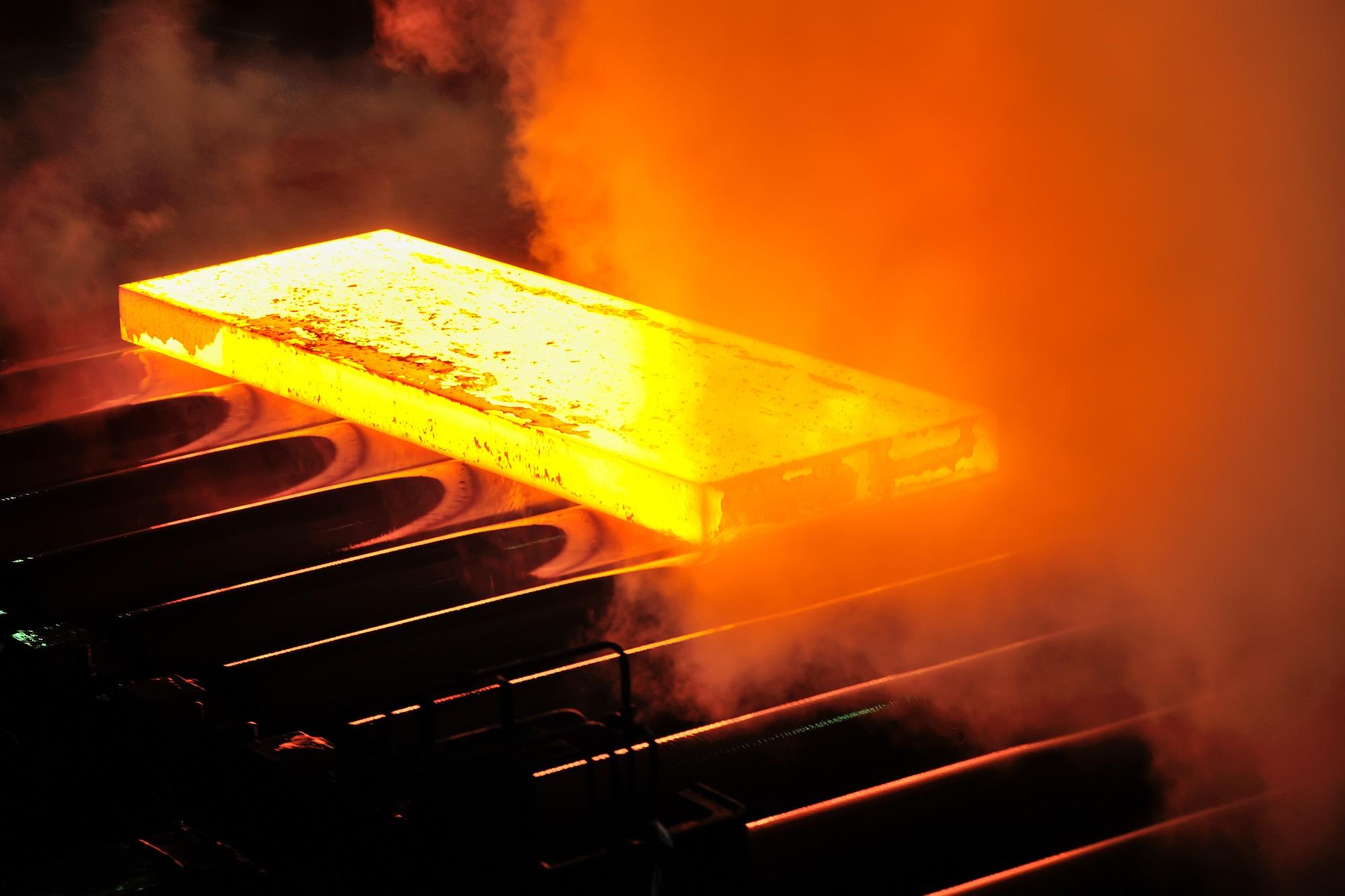
Introduction to Sustainable Steel Manufacturing
The transition towards sustainable steel manufacturing is driven by many factors, including environmental concerns, economic incentives, and societal pressures. Traditional steel production methods rely heavily on fossil fuels, resulting in significant carbon emissions and contributing to climate change. In addition, the extraction and processing of raw materials, such as iron ore and coal, can lead to habitat destruction, water pollution, and other environmental issues.
By adopting sustainable practices, structural steel fabricators can mitigate these negative impacts while reducing operational costs and enhancing their reputation as responsible organisations.
Energy Efficiency and Emissions Reduction
One of the primary focuses of sustainable steel manufacturing is improving energy efficiency and reducing greenhouse gas emissions. Structural steel fabricators can achieve this through various strategies, including conducting comprehensive energy audits to identify areas for improvement, improving processes to cut energy consumption, and transitioning to renewable energy sources such as solar, wind, or biomass.
Furthermore, implementing energy management systems and investing in energy-efficient equipment can significantly reduce the carbon footprint of steel production facilities.
Recycling and Waste Management
Steel is one of the most recyclable materials, and structural steel fabricators have a significant opportunity to contribute to a circular economy by implementing effective recycling and waste management practices. This involves slashing waste generation through lean manufacturing principles, segregating and recycling scrap metal, and properly disposing of hazardous byproducts such as slag and dust.
By taking a “waste-to-resource” mindset, structural steel fabricators can reduce their environmental impact and also potentially generate revenue from the sale of recycled materials.
Water Conservation and Treatment
Steel production is water-intensive, and structural steel fabricators must prioritise water conservation and treatment to cut their impact on local water resources. This can be achieved through various methods, including implementing closed-loop systems that recycle and reuse water, employing water-efficient technologies and processes, and investing in advanced wastewater treatment facilities.
Reducing water consumption and ensuring proper wastewater treatment, enables structural steel fabricators to protect aquatic ecosystems and help preserve this precious resource.
Sustainable Supply Chain and Certification
Sustainable practices in the structural steel fabrication industry extend beyond the manufacturing process. Structural steel fabricators must also consider the sustainability of their supply chain, including sourcing raw materials from responsible suppliers who prioritise environmental and social responsibility. On top of this, implementing sustainable transportation practices, such as optimising logistics and utilising fuel-efficient modes of transportation, can further reduce the industry's carbon footprint.
Furthermore, third-party certifications and standards are crucial in promoting sustainable steel manufacturing. Organisations like ResponsibleSteel and the Leadership in Energy and Environmental Design (LEED) certification program provide guidelines and recognition for structural steel fabricators that adhere to sustainable practices.
In conclusion, the structural steel fabrication industry has a significant opportunity to embrace sustainable practices and contribute to a more environmentally responsible future. By prioritising energy efficiency, emissions reduction, recycling and waste management, water conservation, and sustainable supply chains, structural steel fabricators can reduce their environmental impact and enhance their economic competitiveness and align with societal values.
The journey towards sustainability requires a collaborative effort from all stakeholders, including governments, industry leaders, and consumers, to drive meaningful change and ensure a more sustainable future for generations.
Find Steel From Local Fabricators at Buy A Beam
Buy A Beam can help connect you with local steel fabricators that provide excellent-quality structural steel components. Our online shopping platform is excellent for locating steel fabrication near you and ordering steel online, with delivery and add-ons such as finishes available along the way.