
The Future of Steel in Transportation
06 September 2024
The need for sustainability and technological advancements means steel is crucial in shaping the future of mobility. From electric vehicles to high-speed rail networks, innovative steel technologies are at the forefront of this revolution, offering solutions that balance performance, safety, and environmental concerns.
Here’s the lowdown.
Advanced High-Strength Steels in Electric Vehicle Manufacturing
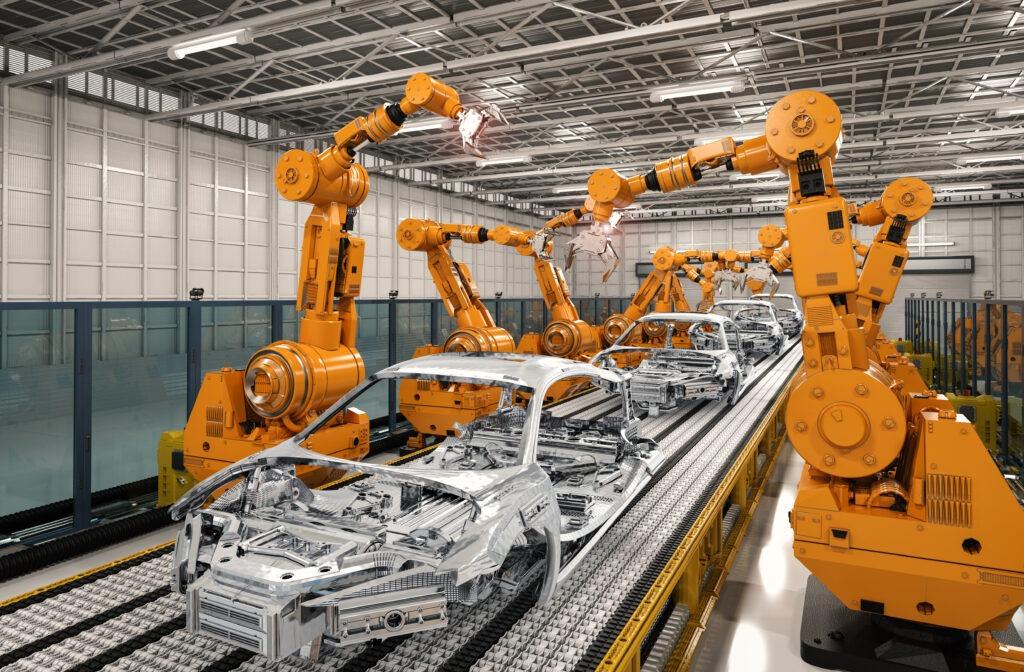
The move towards electric vehicles (EVs) brings new challenges in automotive design, particularly in the quest for extended battery range and improved safety. Advanced High-Strength Steels (AHSS) have become a game-changer in this arena, offering a remarkable combination of strength and lightweight properties.
These innovative steel alloys let manufacturers create vehicle structures that are significantly lighter than traditional steel designs, yet maintain or even surpass safety standards. The reduced weight directly translates to improved energy efficiency and extended range for EVs, addressing one of the main concerns of potential electric car buyers.
In addition, AHSS enables designers to create more spacious interiors without increasing the overall vehicle size, as thinner steel components can now bear the same loads as their bulkier predecessors. This enhances passenger comfort and allows for larger battery packs to be incorporated, further extending the vehicle's range.
The use of AHSS in critical safety components, such as crumple zones and passenger compartments, ensures that EVs can meet or exceed stringent crash test requirements. The ability of these steels to absorb and dissipate impact energy more effectively than conventional materials contributes significantly to occupant protection.
Steel's Contribution to Lightweight Design in Automotive Engineering
The drive towards lightweight design in automotive engineering is not limited to electric vehicles. Conventional petrol and diesel-powered cars also benefit greatly from the advancements in steel technology. Modern steel grades allow manufacturers to strike an optimal balance between weight reduction and structural integrity, resulting in more fuel-efficient vehicles, without compromising safety or performance.
Techniques such as hot stamping and tailored blanks enable the production of complex, lightweight components that were previously impossible to manufacture. These methods allow for the strategic placement of different steel grades within a single component, optimising strength where it's most needed and reducing weight in less critical areas.
The automotive industry's move towards lightweight design has also spurred innovation in joining technologies. Advanced welding techniques and adhesive bonding methods have been developed to effectively join different grades of steel, as well as steel to other materials like aluminium or composites. This multi-material approach allows designers to make the most of the unique properties of each material, creating vehicles that are lighter, stronger, and more efficient than ever before.
The Integral Role of Steel in High-Speed Rail Infrastructure
As countries around the world invest in high-speed rail networks to reduce carbon emissions and improve transportation efficiency, steel plays a crucial role in making these ambitious projects possible. From the tracks that guide the trains to the bridges that span valleys and the rolling stock itself, specialised steel grades are essential for withstanding the unique stresses of high-speed travel.
High-speed rail tracks require steel that can maintain its shape and integrity under extreme conditions. These rails must withstand the weight of trains travelling at speeds of up to 300 km/h plus the thermal expansion and contraction caused by changing weather conditions. Advanced rail steels have been developed to meet these demanding requirements, offering improved wear resistance and reduced maintenance needs.
The bridges and viaducts that form a critical part of high-speed rail infrastructure also rely heavily on high-performance steel. These structures must be strong and lightweight to span great distances while minimising the load on foundations. Weathering steels, which form a protective patina when exposed to the elements, are often used in these applications, reducing maintenance costs and extending the lifespan of the infrastructure.
In the rolling stock itself, high-strength steels contribute to the safety and efficiency of high-speed trains. These materials are used to construct coach bodies, providing a strong yet lightweight structure that enhances passenger safety while reducing energy consumption.
Steel Innovations for Electric Vehicle Charging Infrastructure
As more people switch to electric vehicles, the need for a charging infrastructure becomes increasingly clear. Steel is crucial to the rapid expansion of this network, from the construction of charging stations to the development of innovative charging solutions.
Traditional charging stations rely on steel for their structural components, ensuring durability and longevity in various environmental conditions. However, the real innovation lies in the development of inductive charging systems. These systems use steel plates embedded in roadways to create electromagnetic fields that can charge EVs wirelessly as they drive or park. The use of specialised steel alloys in these plates is essential for creating efficient and reliable charging systems.
Recycling and Sustainability: Steel's Circular Economy in Transport
One of steel's greatest advantages in the transportation sector is its recyclability. Unlike many composite materials used in lightweight design, steel can be recycled indefinitely without loss of quality. This characteristic aligns perfectly with the growing emphasis on sustainability and circular economy principles in the transport industry.
The steel industry is also making significant strides in reducing its environmental impact through the development of greener production methods. Technologies such as hydrogen-based steel production and carbon capture and storage are being explored to reduce the carbon footprint of steel manufacturing.
Steel will be vital to the future of transportation. Its unique combination of strength, versatility, and recyclability makes it an indispensable material in the quest for more sustainable and efficient mobility solutions.
Order Steel Online Today
If you require help choosing the right steel products for your project, using Buy A Beam is a fantastic way to achieve peace of mind. We make it easier to buy steel online than ever by connecting you through our online store to highly skilled steel fabrication companies that deliver an order directly to your construction site. Whatever type of structural steel beam, channel or section that you require, Buy A Beam is here to help.