
Steel in Green Building and Sustainable Construction
30 October 2024
The construction industry has been moving towards sustainable building practices for a while. As environmental concerns become increasingly pressing, developers, architects, and engineers need innovative ways to reduce the ecological footprint of their projects.
Amidst this green revolution, steel has emerged as a surprisingly eco-friendly material, crucial in sustainable construction and contributing to LEED certification. This blog explores the multifaceted role of steel in green building, examining its environmental impact, recyclability, energy efficiency benefits, and contribution to LEED points.
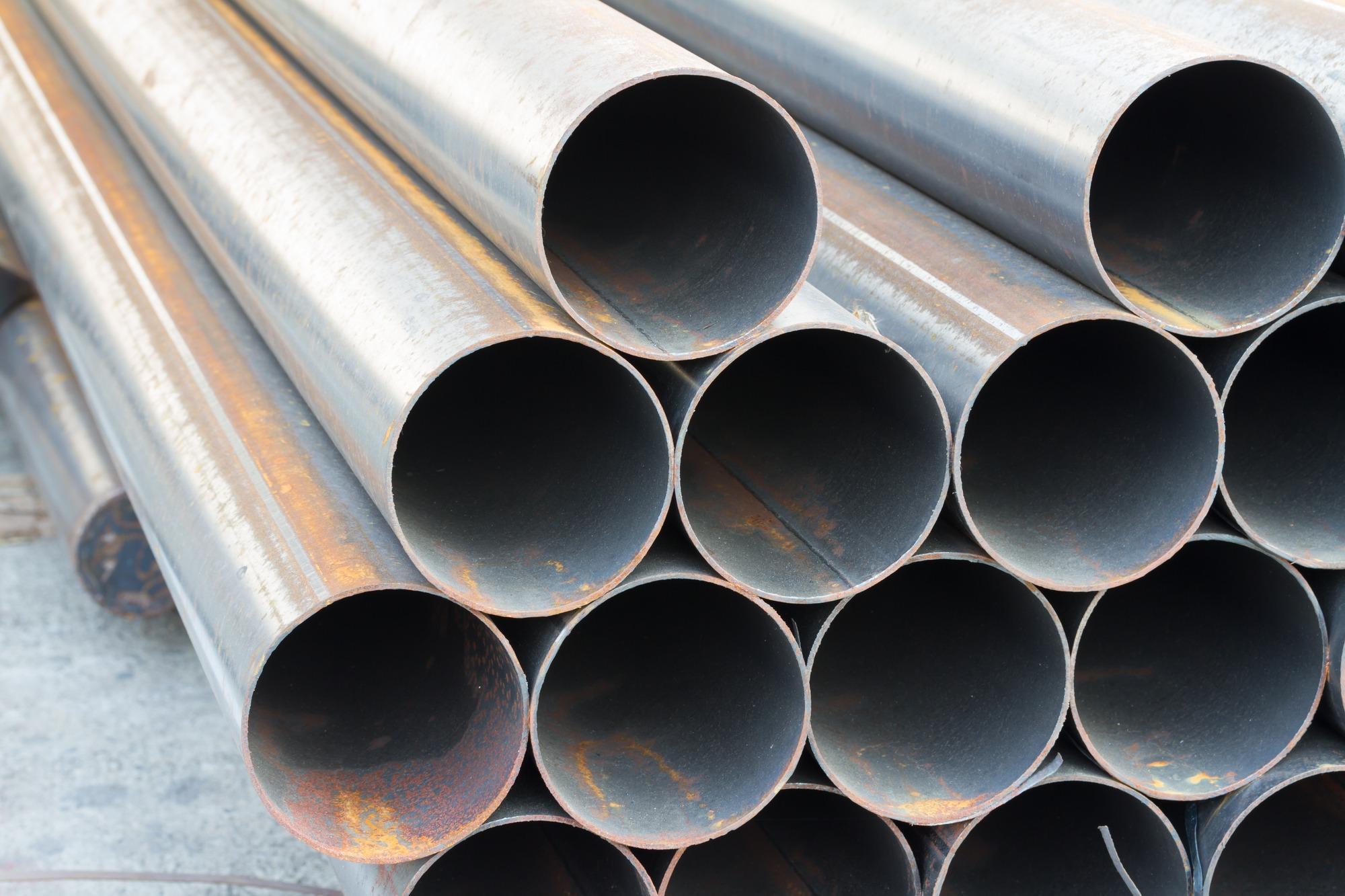
Steel's Environmental Impact: A Life Cycle Assessment
To truly understand steel's environmental credentials, we must examine its entire life cycle, from raw material extraction to end-of-life recycling. Historically, steel production has been energy-intensive and associated with high carbon emissions. However, modern production methods have dramatically reduced its environmental impact.
The UK steel industry has made remarkable strides in reducing its carbon footprint. According to the World Steel Association, the amount of energy required to produce a tonne of crude steel has decreased by 61% since the 1960s. This improvement is largely due to technological advancements, such as electric arc furnaces and the implementation of energy management systems.
Additionally, the industry has embraced carbon capture and storage (CCS) technology. The HyNet North West project, for instance, aims to create the world's first low-carbon industrial cluster, including steel production facilities. By capturing and storing CO2 emissions, the steel sector is actively working to minimise its climate impact.
Recycled Content and Recyclability: Steel's Circular Economy Advantage
One of steel's most significant environmental advantages is its exceptional recyclability. Unlike many materials that degrade when recycled, steel can be recycled indefinitely without losing its properties. This characteristic makes steel a cornerstone of the circular economy in construction.
In the UK, the recycling rate for steel packaging reached 79% in 2019, according to data from the Department for Environment, Food & Rural Affairs. The construction industry has also embraced recycled steel, with many structural steel products containing up to 98% recycled content.
The use of recycled steel in construction offers numerous benefits. It reduces the need for virgin raw materials, conserves energy, and minimises waste sent to landfills. For every tonne of steel recycled, about 1.5 tonnes of iron ore, 0.5 tonnes of coal, and 0.2 tonnes of limestone are preserved.
Energy Efficiency in Steel-Framed Buildings
Steel framing can significantly enhance a building's thermal performance when combined with innovative insulation techniques and thoughtful design strategies. The flexibility of steel allows for the incorporation of high-performance insulation systems, such as Structural Insulated Panels (SIPs) or Advanced Insulation Systems (AIS).
One exemplary case study is The Crystal in London, one of the world's most sustainable buildings. Its steel frame, combined with high-performance glazing and advanced building management systems, contributes to its outstanding energy efficiency. The building uses 50% less energy and emits 65% less CO2 than comparable office buildings.
Another notable example is the Bloomberg European Headquarters in London, which achieved the highest BREEAM score of any major office development. Its innovative steel structure, featuring integrated ceiling panels with chilled water pipes, is crucial to its energy-efficient design.
Steel's Contribution to LEED Points
Steel can significantly contribute to earning LEED (Leadership in Energy and Environmental Design) certification points across various categories. In the Materials and Resources category, steel's high recycled content and recyclability can earn projects up to 5 points. Additionally, locally sourced steel can contribute to Regional Priority credits.
In the Energy and Atmosphere category, steel's role in creating energy-efficient building envelopes can help projects earn points for optimised energy performance. Steel's durability and low maintenance requirements also contribute to the Building Life-Cycle Impact Reduction credit.
Innovation in Design is another area where steel shines. Novel applications of steel, such as in solar shading systems or integrated photovoltaic panels, can earn additional points in this category.
Sustainable Steel Innovations: Emerging Technologies and Future Prospects
The steel industry continues to innovate, developing technologies that promise to further enhance its sustainability credentials. Hydrogen-based steelmaking is one such frontier technology. The H2FUTURE project in Austria is pioneering the use of green hydrogen in steel production, potentially eliminating carbon emissions.
Advanced high-strength steels (AHSS) represent another exciting development. These steels offer superior strength-to-weight ratios, allowing for lighter structures that require less material. In the automotive industry, AHSS has already demonstrated its potential to reduce vehicle weight and improve fuel efficiency.
Biomimicry is also influencing steel design. Researchers are looking to natural structures to develop steel products with improved strength and reduced material use. For instance, steel foam inspired by the structure of wood could offer enhanced thermal insulation properties.
A vital role in green building practices
In conclusion, steel contributes to sustainability through its life cycle performance, recyclability, energy efficiency benefits, and LEED point potential. Steel's position as a cornerstone of sustainable construction is set to strengthen further.
By adopting steel and other eco-friendly materials and practices, the UK construction sector can significantly reduce its environmental impact and create buildings that are structurally sound and environmentally responsible.
Order Steel Online Today
If you require help choosing the right steel products for your project, using Buy A Beam is a fantastic way to achieve peace of mind. We make it easier to buy steel online than ever by connecting you through our online store to highly skilled steel fabrication companies that deliver an order directly to your construction site. Whatever type of structural steel beam, channel or section that you require, Buy A Beam is here to help.