
The Future of Structural Steel: New Technologies and Innovations
15 March 2026
The current UK Government Steel Strategy says, “Steel is essential for a modern economy, underpinning many sectors, from construction to advanced manufacturing.” Indeed, the structural steel industry is driven by technological advancement and an urgent need for sustainable construction practices.
From automated fabrication to intelligent building systems, these innovations are reshaping how we design, manufacture, and construct steel structures across the UK. Here we take a look at the future of steel.
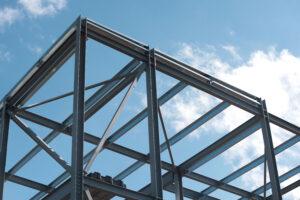
Digital Fabrication and Robotic Automation
Modern fabrication facilities now use sophisticated robotic systems capable of performing complex cutting, drilling, and welding operations with unprecedented precision. These automated processes not only deliver consistent, high-quality results but also reduce material waste and improve workplace safety by removing workers from potentially hazardous environments.
AI-driven systems can now optimise cutting patterns to reduce material waste, whilst robotic welding arms produce joints of remarkable uniformity and strength. This digital revolution is reducing project timelines and enabling fabricators to take on more complex architectural designs that would have been impractical or impossible using traditional methods.
High-Performance Steel Alloys and Sustainable Materials
Material science innovations are yielding new generations of steel alloys that offer superior strength-to-weight ratios, enhanced durability, and improved resistance to environmental degradation. Ultra-high-strength steels allow engineers to design lighter structures that require less material whilst maintaining or even exceeding structural performance standards.
Reducing the amount of material used means lower carbon emissions during production and transportation. Furthermore, the industry is making significant strides towards decarbonisation through the development and adoption of low-carbon steelmaking methods, including hydrogen-based steelmaking and increased use of recycled content.
These sustainable alternatives are essential for meeting the UK's ambitious net-zero targets whilst maintaining the steel industry's crucial role in the construction sector.
Building Information Modelling (BIM) Integration
Building Information Modelling has had a major influence on how structural steel projects are conceived, designed, and executed. BIM technology enables all project stakeholders (architects, structural engineers, fabricators, and contractors) to work from a single, coordinated 3D model that captures every detail of the steel framework.
This collaborative approach allows for early detection of design conflicts, the optimisation of structural elements, and precise fabrication planning before a single piece of steel is cut. Digital twins, virtual replicas of physical structures, enable designers to test different scenarios and assess structural performance under various conditions.
The result is fewer on-site modifications, reduced material waste, and vastly improved project coordination. For fabricators, BIM integration means receiving detailed, accurate information that can be fed directly into automated fabrication equipment, creating a seamless digital workflow from design to installation.
Modular and Off-Site Construction Methods
It may be that nowhere is innovation in steel more visible than in the rise of modular construction and off-site fabrication. Prefabricated steel frameworks and complete modular units can be manufactured in controlled factory environments before being transported to the site for rapid assembly.
This method offers lots of important advantages, including:
- superior quality control
- reduced construction timescales
- minimal weather-related delays
- much less disruption to the surrounding areas.
For urban projects where space and time constraints are critical, modular steel construction provides an elegant solution. The precision of factory fabrication, combined with modern steel's inherent strength and versatility, makes it ideal for addressing the UK's pressing housing shortage and infrastructure needs. From residential tower blocks to schools and healthcare facilities, modular steel construction is proving that speed and quality need not be mutually exclusive.
Practical Construction Benefits: Ease of Fabrication and Assembly
The flat sides of RHS steel beams simplify fabrication and site assembly processes, making both welded and bolted connections more straightforward compared to circular or open sections. This cuts construction time and labour costs whilst keeping connection quality and structural integrity.
The hollow design makes these beams lighter than their solid counterparts, making them easier to transport and install. Additionally, RHS sections are used for safety features such as guard rails and barriers, where their strength, durability, and clean lines provide both functional performance and visual appeal along the bridge’s structure.
Order Steel Online Today
If you require help choosing the right steel products for your project, using Buy A Beam is a fantastic way to achieve peace of mind.
We make it easier to buy steel online than ever by connecting you through our online store to highly skilled steel fabrication companies that deliver an order directly to your construction site. Whatever type of structural steel beam, channel or section that you require, Buy A Beam is here to help.